Featured In
Compare CartRight vs. MyCarrier for Shopify freight shipping, including LTL checkout rates, White Glove delivery, oversized freight and international DTC.


CartRight and MyCarrier both support LTL shipping, tracking, multi-carrier rate comparison and freight automation, but they are built for different users.
MyCarrier is primarily a back-office TMS for shipping and warehouse teams, while CartRight puts LTL and White Glove options directly in front of the ecommerce buyer.
CartRight supports tiered delivery options at checkout, SKU-to-freight dimension mapping, oversized freight and access to a pre-built carrier network.
MyCarrier is stronger in back-office freight operations such as invoice auditing, carrier payments, NMFC verification, analytics and ERP integrations.
CartRight also adds international DTC capabilities, including duties and taxes, Importer of Record services, customs brokerage and factory-direct fulfillment.
CartRight and MyCarrier both help companies manage LTL freight.
The difference is where they sit in the buying and shipping process.
MyCarrier is a transportation management system built for shipping teams. It helps users quote, dispatch, track, audit and pay for freight after an order has been created.
CartRight is built for Shopify merchants that need to bring freight into the customer buying experience.
It puts LTL and White Glove delivery options directly at checkout and connects those orders to Freight Right’s freight, customs and delivery infrastructure.
| Capability | CartRight | MyCarrier |
|---|---|---|
| Real-time LTL rates at buyer checkout | ✓ | Coming soon |
| Tiered delivery options at checkout | ✓ | — |
| Native Shopify checkout experience | ✓ | Ops-side integration |
| SKU / catalog-to-freight dimension mapping | ✓ | — |
| Pre-built carrier network | ✓ | — |
| Automated BOL / label generation | ✓ | ✓ |
| Real-time shipment tracking | ✓ | ✓ |
| Tracking write-back to Shopif | ✓ | Coming soon |
| Multi-carrier rate comparison | ✓ | ✓ |
| Full truckload quoting | — | ✓ |
| Freight audit automation | — | ✓ |
| Carrier payment tools | — | ✓ |
| NMFC class verification | — | ✓ |
| AI-powered accessorial detection | — | ✓ |
| ERP integrations | — | ✓ |
| Freight analytics dashboard | — | ✓ |
| White Glove / inside delivery | ✓ | — |
| Assembly & debris removal | ✓ | — |
| Freight beyond standard liftgate limits | ✓ | — |
| Alaska, Hawaii, Puerto Rico & Guam rates | ✓ | — |
| Cross-border DTC to 45+ countries | ✓ | — |
| Duties & taxes at checkout | ✓ | — |
| Importer of Record / fiscal representation | ✓ | — |
| Factory-direct fulfillment | ✓ | — |
| In-house customs brokerage | ✓ | — |
| Backed by a licensed freight forwarder | ✓ | — |
MyCarrier is a cloud-based TMS for shipping managers, logistics coordinators and warehouse operations teams.
It centralizes LTL quoting, dispatch, tracking, invoice auditing and carrier payments in one platform. Its primary focus is internal freight operations and cost control.
CartRight addresses a different problem.
It allows merchants to show freight options before the order is placed, so buyers can see the shipping cost and select the delivery experience during checkout.
That distinction matters for ecommerce brands selling furniture, fitness equipment, appliances, saunas and other products where shipping is part of the purchasing decision.
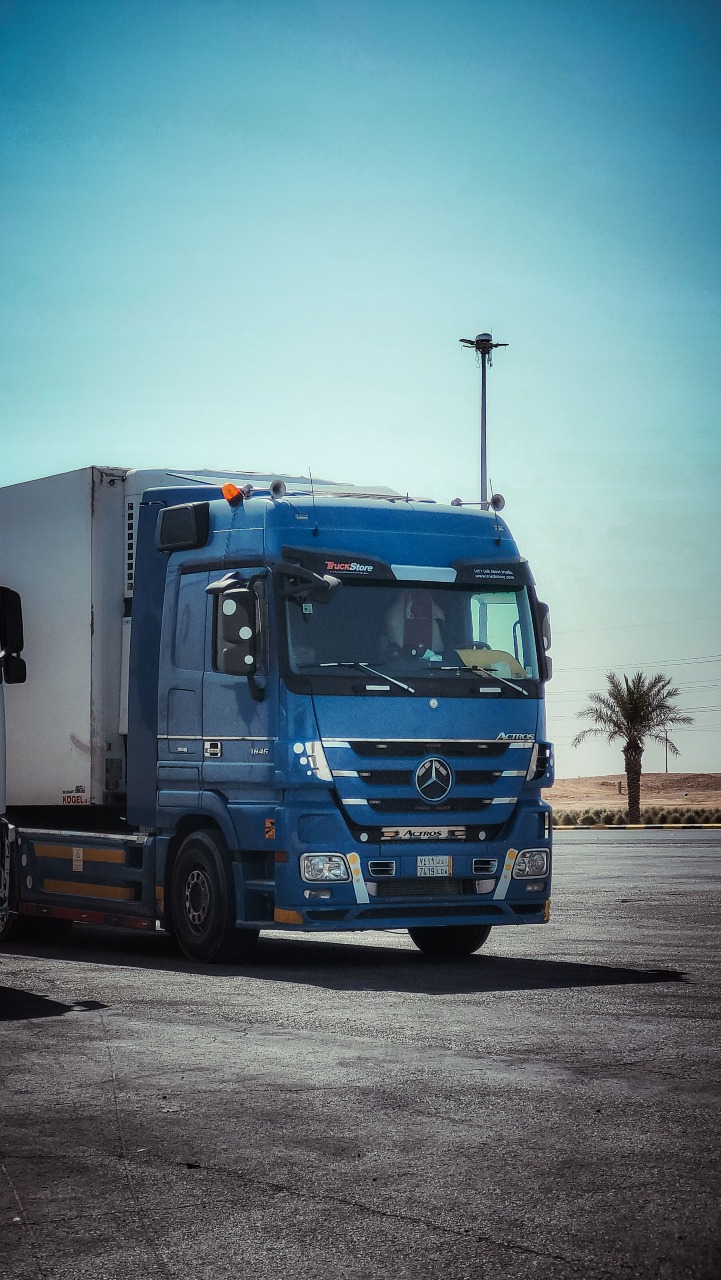
CartRight provides real-time LTL rates directly in the Shopify checkout experience.
Instead of calculating freight after the order is placed, merchants can show the buyer the shipping cost before they complete the purchase.
CartRight can also connect individual SKUs and variants to their actual freight dimensions and requirements.
Real-time LTL rates
Multi-carrier rate comparison
SKU-to-freight dimension mapping
Tiered delivery options
Automatic order fulfillment
BOL generation
Tracking write-back
Access to Freight Right’s carrier network
MyCarrier offers a Shopify integration, but the battle card notes that its current integration is primarily operations-side. Its own product materials listed checkout rating and Shopify tracking write-back as upcoming capabilities at the time of review.

CartRight can present different delivery service levels to the customer during checkout.
Options can include:
Curbside delivery
Threshold delivery
Room-of-choice delivery
White Glove delivery
Assembly
Debris removal
This allows the buyer to choose the delivery experience before placing the order.
For big-and-bulky ecommerce, that is a different use case from standard LTL dispatch.
MyCarrier’s public product materials reviewed for the battle card do not list White Glove delivery tiers, room-of-choice service, assembly or debris removal.
Some ecommerce products fall outside standard liftgate and residential freight requirements.
CartRight can support products beyond standard 96-inch liftgate dimensions and route those shipments through specialized delivery solutions.
That can include oversized furniture, fitness equipment, saunas and other products requiring additional handling or equipment.
Comparable oversized specialty-delivery capabilities were not listed in MyCarrier’s reviewed product materials.
CartRight gives merchants access to Freight Right’s carrier network without requiring them to establish their own carrier contracts first.
This can simplify adoption for ecommerce brands that do not already have deep LTL relationships.
MyCarrier works differently.
It connects merchants to their own carrier accounts and negotiated rates. That can be useful for established shipping teams with existing contracts, but it assumes the merchant already has the carrier relationships in place.
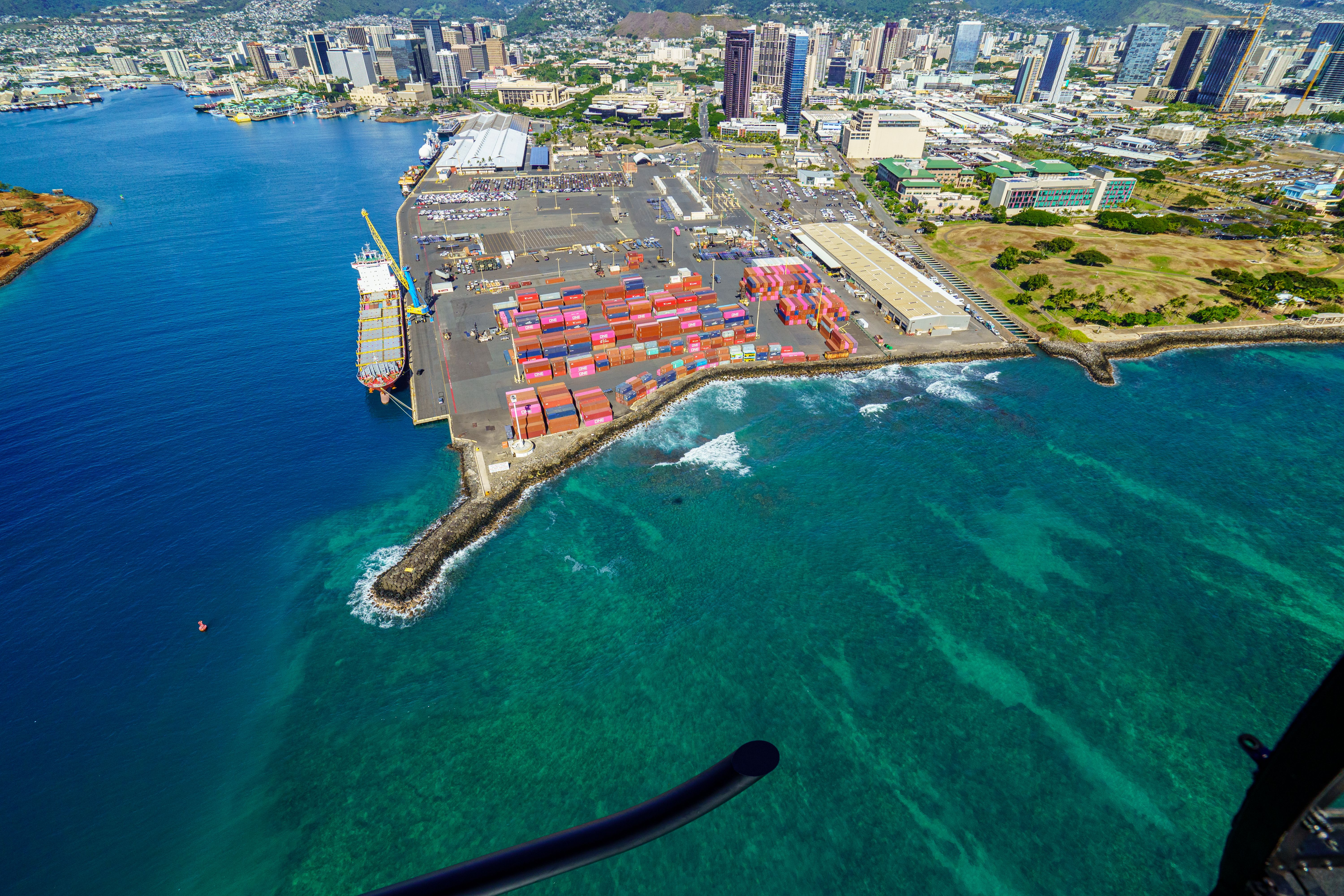
CartRight supports real-time freight rates for:
Alaska
Hawaii
Puerto Rico
Guam
That allows merchants to offer checkout pricing in markets that often require manual freight quoting.
The reviewed MyCarrier product materials did not specifically list comparable support for these remote U.S. markets.

International ecommerce is another major difference between the two platforms.
CartRight supports cross-border DTC shipping to more than 45 countries through Freight Right.
Capabilities include:
International freight
Duties and taxes calculated at checkout
Delivered Duty Paid shipping
Importer of Record services
Fiscal representation
Automated customs documentation
In-house customs brokerage
Market-by-market activation
MyCarrier is positioned as a domestic U.S. TMS and does not list comparable international ecommerce or customs capabilities.
CartRight can also support orders moving directly from an overseas manufacturer to the end customer.
Instead of importing inventory into the U.S. first, qualifying orders can move directly from the factory into the destination market.
Freight Right can manage the transportation, customs and final delivery behind the shipment.
This capability is not listed as part of MyCarrier’s platform.
Both platforms offer meaningful cargo protection.
MyCarrier offers Loadsure full-value insurance that can be booked during the quote flow, with claims typically resolved in 7–10 days according to the battle card.
CartRight also supports cargo insurance and in-platform claims management.
Insurance is therefore not one of the strongest points of separation between the two products. Both offer coverage that goes beyond basic carrier liability.

CartRight may be a better fit if you:
Sell large or heavy products through Shopify
Need real-time LTL rates at buyer checkout
Want customers to select delivery tiers during purchase
Need White Glove delivery
Require assembly or debris removal
Ship oversized products
Do not already have carrier contracts
Need freight rates for Alaska, Hawaii, Puerto Rico or Guam
Want to sell internationally
Need duties and taxes calculated at checkout
Require Importer of Record or customs support
Want factory-direct international fulfillment
CartRight is built around what the customer sees and chooses before the order becomes a freight shipment.
These products do not necessarily need to replace one another.
A company can use MyCarrier to manage its warehouse and shipping operations while using CartRight to improve the freight experience at ecommerce checkout.
MyCarrier can remain the operations tool.
CartRight can handle the customer-facing side of the transaction.
That is the cleanest way to frame the comparison because the two platforms solve different problems within the same freight workflow. The battle card itself notes that MyCarrier’s operations features—such as Freight Assist and analytics—are legitimate strengths rather than capabilities CartRight needs to displace.
MyCarrier is designed to help shipping teams manage freight more efficiently.
CartRight is designed to make freight easier to buy.
It connects Shopify checkout to LTL, White Glove, oversized delivery, international freight and customs services through Freight Right.
For merchants selling large and difficult-to-ship products, that brings freight into the buying experience instead of leaving it as a back-office step.
Is CartRight an alternative to MyCarrier?
In some cases, but the two products serve different primary functions.
MyCarrier is a TMS for shipping and warehouse teams. CartRight is an ecommerce freight solution designed to put LTL and White Glove options in front of buyers during checkout.
Does MyCarrier integrate with Shopify?
Yes. MyCarrier offers a Shopify integration, but the battle card notes that it primarily imports orders into MyCarrier for the shipping team. At the time of review, checkout rating and tracking write-back were listed as upcoming capabilities.
Does CartRight support White Glove delivery?
Yes. CartRight can offer curbside, threshold, room-of-choice and White Glove delivery options at checkout, including assembly and debris removal.
Does MyCarrier support White Glove delivery?
White Glove delivery, room-of-choice service, assembly and debris removal were not listed in the MyCarrier product materials reviewed for the battle card.
Do I need my own carrier accounts with CartRight?
No. CartRight gives merchants access to Freight Right’s carrier network.
MyCarrier connects to the merchant’s own carrier contracts and negotiated rates.
Can CartRight ship internationally?
Yes. CartRight supports cross-border DTC to 45+ countries, including duties and taxes, Importer of Record services, automated customs documentation and in-house customs brokerage.
Which platform is better for freight operations teams?
MyCarrier has stronger traditional TMS functionality, including freight auditing, carrier payment, freight class verification, ERP integration and advanced analytics.
Which platform is better for Shopify checkout?
CartRight is built specifically around the ecommerce buyer experience, including real-time freight rates and White Glove delivery options at checkout. MyCarrier’s current Shopify functionality is more operations-focused.