- Home
- >
- News
- >
- Over Half of Direct-to-Consumer Merchants Selling Big & Bulky Items Can’t Fulfill International Orders
Over Half of Direct-to-Consumer Merchants Selling Big & Bulky Items Can’t Fulfill International Orders
Introduction
Ecommerce is becoming more globalized. One study from EY projected that cross-border ecommerce will grow from $1.92 trillion USD in 2024 to $3.37 trillion by 2028. The growth is undeniable and made possible in no small part by social media, algorithmic discovery and, now, AI. TikTok, Instagram, WeChat and, now, AI search engines are helping to expose browsers to new brands wherever these brands are in the world.
Buyers expect a seamless buying experience across any channel they plan to use. Merchants selling parcel-sized items stand to benefit the most from new users discovering their brand. It’s these merchants whose storefronts are most optimized out of the box to meet the new potential buyer’s expectations. However, one small but important group of merchants - those operating within ecommerce freight and selling large, oversized goods - is the least equipped to meet these new buyers wherever they are in the world.
A recent survey by Freight Right Global Logistics, combined with additional research, revealed that merchants selling oversized goods direct-to-consumer face a uniquely high set of barriers and frictions that those selling parcel-sized goods don’t.
Most Big and Bulky Merchants Aren’t Ready for International Fulfillment

Selling and shipping big and bulky items is a challenge for merchants. It’s much more challenging when merchants need to ship to customers outside of their domestic market.
According to the survey, 78% merchants expressed or signaled that they would not or could not handle shipping to a country outside of their domestic market when asked. The survey also found that while 16% of merchants didn’t outright say they couldn’t handle the shipment, only 8% of surveyed merchants did express that they could help, usually by saying yes and asking for more information or providing a flat rate for the service. Other answers included variations of openness to shipping to one region but not another or others.
Why Do Merchants Selling Big & Bulky Items Have Trouble With International Orders?
Merchants operating in big and bulky ecommerce face a set of challenges that differ materially from those encountered by sellers of parcel-sized items. Many of these challenges stem from the fact that ecommerce systems and fulfillment infrastructure were designed around standardized, courier-based shipping, rather than the operational realities of ecommerce freight and freight-grade delivery.
Accurately pricing oversized goods is a persistent issue. Unlike parcel shipments, freight costs vary based on dimensions, destination, delivery requirements, and access conditions, making real-time pricing difficult to calculate at checkout. As a result, merchants are often forced to rely on manual quoting processes or estimated pricing, both of which introduce delays and uncertainty for buyers. These delays can interrupt the purchasing process and reduce the likelihood that an order is completed.
The complexity increases further when orders originate outside a merchant’s domestic market. In addition to freight costs, international shipments require accounting for duties, taxes, and other charges that may not be visible to buyers during checkout. If these costs are not calculated accurately or collected in advance, merchants risk unexpected delivery fees, refused shipments, and costly returns. Because oversized returns are operationally intensive and expensive, even a small number of failed deliveries can materially impact profitability.
Physical delivery requirements also play a role. Oversized items often require specialized handling, such as lift-gate service or white-glove delivery, and costs can vary based on local conditions. These factors are difficult to standardize across regions and further limit a merchant’s ability to offer consistent pricing and fulfillment options internationally.
Taken together, these challenges make international fulfillment for oversized goods difficult to automate and risky to manage manually. Without systems designed to reflect the operational realities of freight-grade commerce, many merchants choose to limit or decline international orders despite demonstrated demand.
Many if not all of these challenges are technical or logistical. Additionally, many of these same merchants face challenges optimizing their pricing and means of fulfillment to orders placed by buyers in the merchant’s domestic market.
Demand Doesn’t Often Translate to Orders
While interest from international buyers exists, converting that demand into completed orders remains difficult for merchants selling oversized goods. Unlike parcel-sized ecommerce, freight-grade fulfillment does not support real-time pricing at checkout. As a result, merchants are often forced to rely on manual quoting processes that require contacting freight forwarders, comparing rates, and accounting for destination-specific delivery requirements. This process can take days, during which time buyer intent frequently dissipates.
The financial risk associated with inaccurate pricing further compounds the issue. Oversized international shipments that are not properly quoted or sent with duties and taxes prepaid can result in unexpected charges at delivery. If a buyer refuses the shipment, the merchant may be responsible for return freight costs that exceed the margin on the original sale. These risks are magnified by the high absolute cost of freight and the operational complexity of reverse logistics for large items.
Even when pricing is agreed upon, physical delivery constraints introduce additional uncertainty. Oversized goods often require lift-gate service, two-person delivery teams, or white-glove handling, and costs can change based on dimensions, access conditions, or delivery location. Because these variables are difficult to standardize, merchants are left to manage risk manually, often by limiting serviceable regions or declining international orders altogether.
Ecommerce Was Designed With Parcels In Mind
Ecommerce technology has been created for and marketed with the merchant selling parcel-sized goods in mind. Shopify, and other ecommerce content management systems (CMS) offer merchants a templated, base-model online store with a templated checkout process for buyers and a marketplace of plugins and add-ons to customize the store further. Though stores can be customized by way of custom themes and plugins, the benefits of all the different ways to customize are to the benefit of the merchant selling parcel-sized goods.
The market of plugins available through Shopify and other app marketplaces are designed first for and to the benefit of parcel merchants. Plugins for product management, help desk ticket management and payment processing are a few categories of add-ons designed to make store and SKU management easier for the merchant. Currency and language conversion and shipping plugins enable merchants to prepare their stores for buyers outside their domestic markets. Plugins that enable merchants to pipe their products into marketplaces like Etsy, Facebook, TikTok and eBay help merchants expand their store’s reach to new customers in whatever app they’re using when they’re ready to buy. Because most parcel items don’t often, if ever, require customized pricing, the ecosystem of plugins for merchants and their ability to standardize is reaped tenfold.
Direct-to-consumer ecommerce solutions, from the CMS to the add-ons, are designed to make standardized, uniform and seamless experiences for the buyer and the parcel-sized merchant, first and only. The existing solutions promote uniformity and standardization, and impress it onto merchants that need customization and standardization just like this, but for their products. Big and bulky ecommerce would benefit immensely from standardization and uniform solutions that enable effortless customization for buyers. The challenge is that the available solutions weren’t designed with these merchants in mind.
Challenges Showing True Costs
Accurately pricing items was found to be a massive, if not the biggest, challenge for merchants selling oversized items. For parcel goods, the price shown is generally the price paid with the exceptions of taxes and shipping costs usually displayed at checkout. For large goods, the price at checkout is not usually the full price. Large items often require additional services to deliver them to the buyer. The cost of trucking and white-glove installation are the most common additional charges that merchants often can’t incorporate into the checkout process because most plugins or the CMS itself don’t have the ability to allow merchants to do so. The issue gets more complicated when only certain SKUs and certain SKUs to certain places need to have specific costs applied to them.
The situation above becomes more complex when the buyer is out of the merchant’s domestic market. All of the challenges of calculating a true cost for a domestic buyer now have to take into account new costs involved with shipping freight-grade goods internationally within the broader framework of ecommerce freight. These costs often include the cost of the international freight forwarder, tariffs, taxes, and any other charges and fees that come with the goods entering the buyer’s country. The costs don’t reflect the time the merchant spent tracking down a freight forwarder, comparing rates and costs, understanding customs, taxes, product classification, just a few of the steps involved with making sure that the goods are delivered as they were promised.
Entering New Markets Currently Requires a Presence
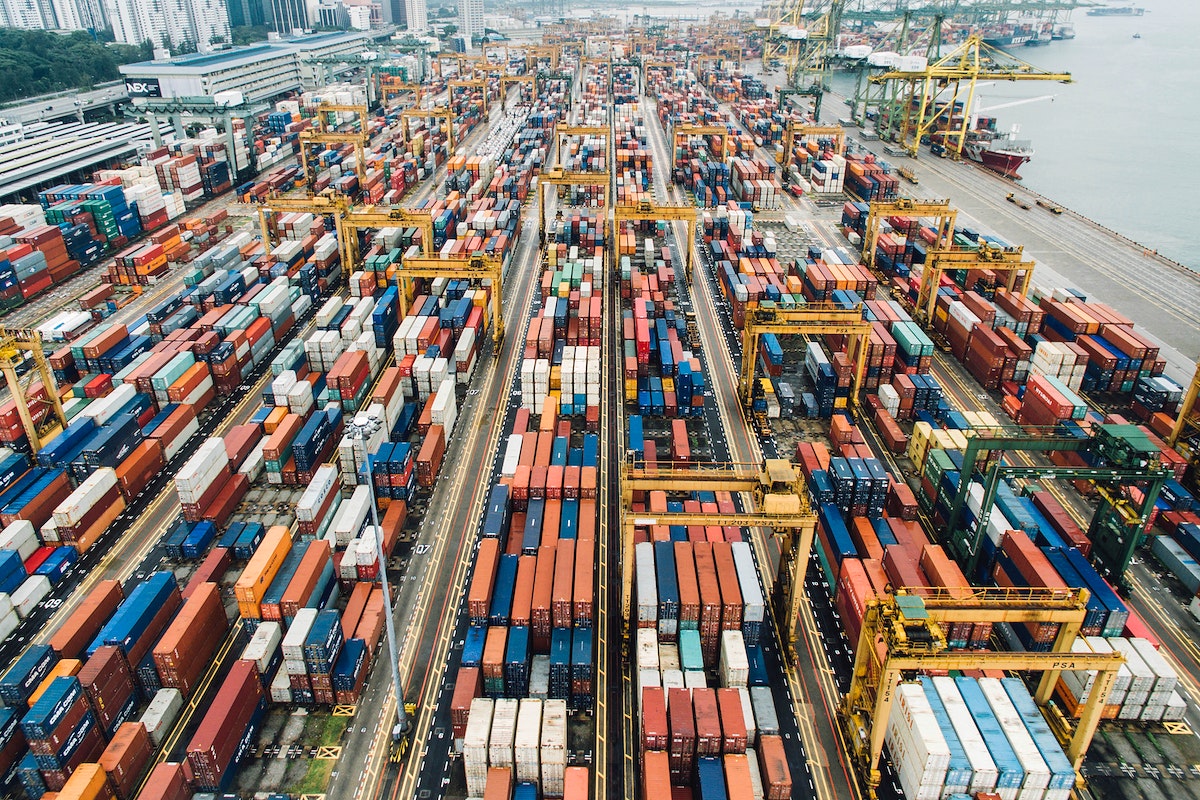
Perhaps the biggest hurdle facing merchants selling big & bulky items from handling international orders is that to service them competitively with those in the buyers’ domestic market means costly investments. For SMB merchants selling parcel goods, expanding into new markets usually means enabling and configuring new locations to ship to, integrating additional payment processors preferable to the new market’s buyers and adjusting the site to change language and currency to reflect the browsers’ preferences. For merchants selling large items, expanding into new markets is vastly more challenging. Because the items the merchant is selling can’t be shipped via courier, merchants need to have inventory readily available in the new market. This means the merchant must, at least, set up a new business entity, purchase warehouse space, shore inventory and store it in the new location and incur the upfront and recurring costs of doing so.
Merchants that don’t choose to go through setting up business entities and buying warehouse space have the option of selling through a marketplace like Amazon, MercadoLibre or Ebay. While selling through a marketplace gives the merchant exposure to existing demand, selling through a marketplace comes with its own costs. Marketplaces, Amazon famously, charge merchants for storing their goods in an Amazon warehouse, take a percentage of each sale and charge for their 3PL services. While Amazon also offers Fulfillment by Merchant as an option, many of the costs of engaging with Amazon remain. These costs are separate from any advertising the merchant finds they need to do to increase their visibility in the new market’s marketplace to drive sales and move inventory they’re paying to sit in a warehouse.
What the Survey Didn’t Capture
The survey reflects how merchants selling oversized goods evaluate their ability to accept and fulfill orders, particularly for buyers outside of their domestic market. However, because the survey focused on merchant responses at the point of inquiry, it does not fully account for the operational conditions that occur once an oversized order is accepted and moves into fulfillment. These conditions increasingly influence merchant behavior, including decisions to restrict regions served or to avoid certain orders altogether.
Delivering large and oversized items introduces a set of operational requirements that differ materially from parcel-sized fulfillment. Oversized deliveries often require two-person delivery teams, specialized handling, and, in many cases, white glove or in-home services. The availability of qualified delivery crews varies significantly by region and has not scaled uniformly alongside growth in ecommerce demand for large goods. These constraints are typically managed by carriers and last-mile providers, but their impact is ultimately borne by merchants through higher costs, service limitations, or reduced reliability.
The survey also does not capture the complexity associated with returns and failed deliveries for oversized goods. Unlike parcel returns, which are often standardized and automated, returns for freight-grade items require manual coordination, storage decisions, and additional transportation. A single failed delivery attempt or return can materially affect the profitability of an order. As a result, merchants factor these risks into fulfillment decisions even when they are not visible to buyers during checkout.
In addition, geographic and urban delivery considerations play a meaningful role in domestic fulfillment. Dense metropolitan areas, where a large share of ecommerce demand is concentrated, often present access limitations, building restrictions, and delivery scheduling constraints that increase the time and cost required to complete deliveries. These factors contribute to uneven serviceability within a merchant’s domestic market and help explain why some merchants selectively limit where oversized items can be shipped.
Taken together, these operational realities suggest that the challenges identified by the survey are not limited to international fulfillment alone. Instead, they reflect broader structural constraints in the domestic fulfillment of oversized goods. International expansion introduces additional layers of cost and complexity, but it builds on a fulfillment model that is already difficult to standardize. Without tools that reflect these operational requirements in pricing and execution, merchants are left to manage risk manually, often by declining orders or narrowing the markets they serve.
Domestic Optimization Precedes Expansion
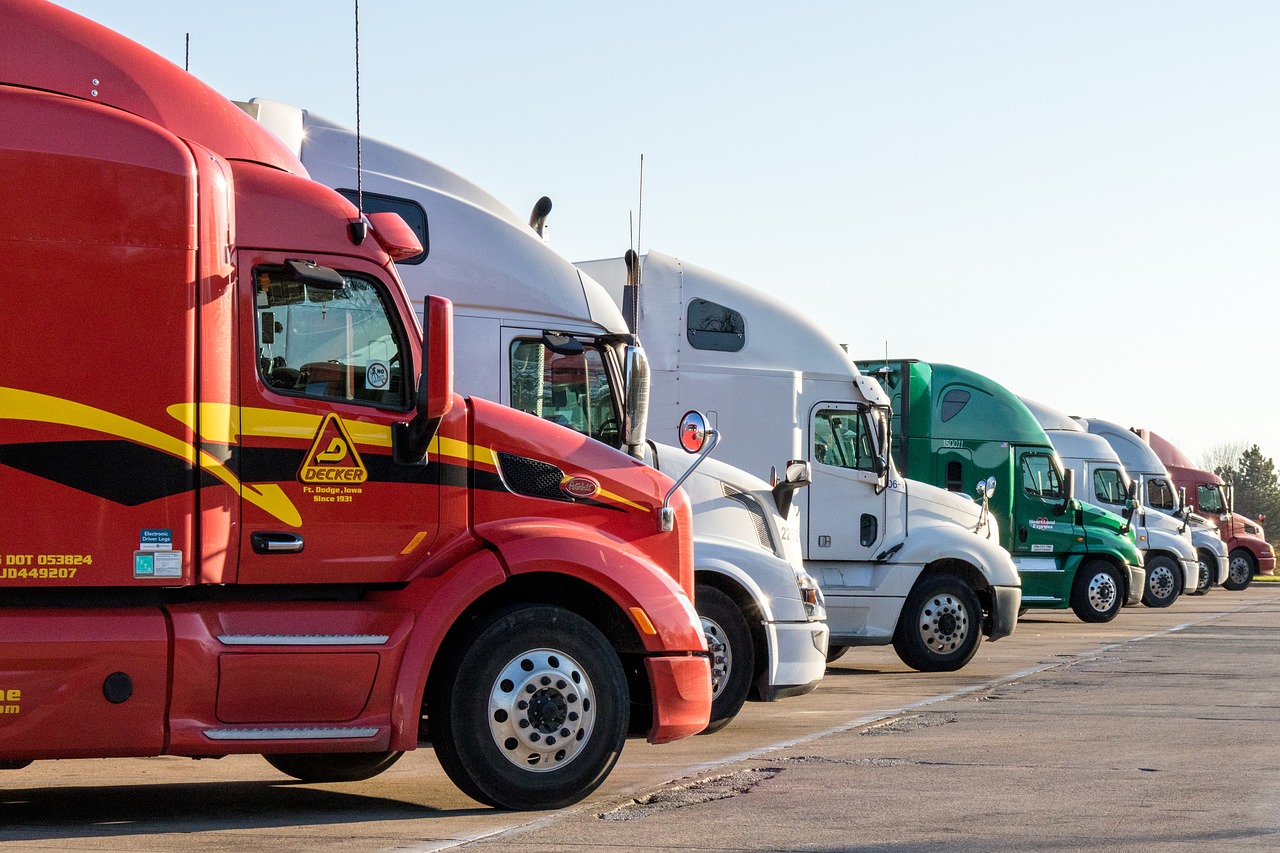
For merchants selling oversized goods, international expansion is rarely constrained by demand alone. More often, it is constrained by operational readiness. When domestic market operations remain manual, margin-sensitive, or operationally inconsistent, expanding internationally compounds these same variables across customs, duties, regulatory compliance, and multi-leg transportation.
In practice, international expansion becomes a sequencing decision. Merchants tend not to expand into new markets while they believe their domestic operations are still being optimized. Freight-grade commerce does not allow for the type of configuration-based expansion common in parcel ecommerce. Unlike a parcel merchant that can enable additional countries through payment processors and shipping plugins, oversized merchants must first achieve confidence in execution at home. Without predictable cost structures and fulfillment reliability domestically, international expansion introduces amplified financial and operational risk.
Industry outreach and merchant interviews over the past year reinforce this pattern. Two distinct merchant profiles consistently emerge.
Consumer oversized brands, including sauna, fitness equipment, furniture, appliance, and wellness companies, often operate mixed SKU catalogs with both parcel and freight-eligible items. Many of these merchants are still optimizing domestic LTL processes and determining how to incorporate freight costs into pricing without suppressing conversion. For these businesses, international expansion is frequently deferred until domestic fulfillment feels stable, repeatable, and margin-safe.
By contrast, specialized or proprietary product manufacturers, such as heavy machinery producers, patented equipment founders, or industrial suppliers, tend to treat freight as foundational rather than exceptional. Shipping is embedded within the business model, dedicated personnel manage logistics, and freight costs are structurally expected within the selling price. For these merchants, international expansion decisions are influenced less by domestic operational uncertainty and more by lane competitiveness, regulatory considerations, and the ratio of freight cost to MSRP.
This distinction helps explain why many oversized merchants appear reluctant to engage international demand despite evidence of buyer interest. The hesitation is not necessarily strategic conservatism. Rather, international growth often follows domestic operational confidence. Where freight remains a manual, variable, or margin-sensitive process, expansion feels less like incremental revenue and more like amplified exposure to existing operational risk.
How Direct-to-Consumer Merchants Selling Oversized Items Are Adapting
The approaches described below reflect how merchants are currently compensating for the absence of ecommerce infrastructure designed for freight-grade goods. These methods allow some international orders to be fulfilled, but they rely on manual processes, margin concessions, or the transfer of risk to either the merchant or the buyer. As a result, international sales are treated as exceptions rather than repeatable transactions. While these workarounds can enable individual orders, they are difficult to standardize, slow to execute, and costly to manage at scale. Over time, they constrain growth by limiting conversion, increasing operational risk, and preventing oversized goods from being sold internationally through the same automated workflows that support parcel-sized ecommerce.
For merchants that didn’t shy away from buyers outside of their domestic markets, they were figuring out and experimenting for themselves how to make these orders work. Some merchants registered new business entities, secured warehouse space, fulfillment solutions and shored inventory to address what they observed was organic, recurring interest in their product. For them, it made sense to at least try to invest in a new market. Others turned to Excel workbooks with tables updated weekly or monthly to offer an estimated amount for freight shipping to a destination. In all cases, every merchant found quoting prospective buyers outside their domestic market a massive challenge.
Other merchants we found were using other services to benchmark or acquire precise rates. Merchants were found estimating freight costs and vetting forwarders using freight marketplaces or online freight calculators.
The largest section of merchants, we found, simply aren’t adapting and choosing not to engage at all with international buyers. Most merchants disable regions they can’t ship to on their store’s backend, causing potential customers to see an error message if their shipping address is among the negated regions. The reasons are those outlined here: the costs are currently too high, the time commitment too large and software solutions to create seamless end-to-end fulfillment and accurate, customized SKU-level pricing are only emerging.
This survey helped illustrate that not all merchants have the same opportunities to be part of the global economy in the same ways. Merchants that sell large items, for now, are still largely relegated to their domestic markets and, for the time being, learning for themselves how to capture demand and introduce themselves to new potential customers all around the world country-by-country.
Oversized Merchant Outreach Survey Methodology
Freight Right surveyed a sample of 50 merchants headquartered across the world selling a variety of goods widely and objectively to be considered oversized and require freight handling to deliver to buyers and selling on the content management system, Shopify. Merchant goods included but were not limited to saunas, hot tubs, pool tables, outdoor movie screens, cold plunges and other large items that require specialized handling to end users, domestically and internationally. Outreach was conducted via a merchant brand’s Instagram account where the surveying party expressed interest in purchasing a good and if it could be shipped to my country, a country outside of the merchant’s domestic market. The survey was conducted between August and September 2025.
More News

Freight Right's Robert Khachatryan Discusses the Challenges of Big, Bulky & Oversized Ecommerce on Ticker News Australia
Direct-to-consumer merchants selling oversized goods domestically and internationally have a unique set of logistical and pricing challenges. Freight Right's CEO Robert Khachatryan discusses those challenges on Ticker News Australia.

Watch Freight Right's Robert Khachatryan Talk Big & Bulky Ecommerce and Fulfillment With Beyond the Cart's Kyle Hamar
Big and bulky fulfillment doesn’t have to block global growth. Learn how ecommerce brands can ship oversized products internationally with real-time freight rates, duty-paid delivery, and zero foreign inventory.

2025 U.S. Consumer Expectations for Two-Day vs. Same-Day Delivery
US consumer expectations have continued to evolve each year. We've pulled the latest research and surveys regarding US consumer buying preferences specifically around the desire around 2-day and same-day shipping preferences.
Breaking Barriers: What the 2025 National Trade Estimate Report Reveals About Global Trade Frictions
Based on the latest insights from the 2025 National Trade Estimate Report, here’s a practical breakdown of the most pressing trade challenges across the United States’ top 10 goods trading partners.
Global Trade Braces for 2nd Half of Year Slowdown as Tariff Deadlines Hit - TFX Update August 11, 2025
Aug 4–11, 2025: EU pauses counter-tariffs; U.S. reciprocal tariffs start; +25% on India due Aug 27; China tariff truce extended 90 days; WTO signals risk.

Top 2 Reasons for eCommerce Cart Abandonment and How to Fix Them
Learn the top 2 reasons for eCommerce cart abandonment—high shipping costs and slow delivery—and discover actionable strategies to reduce lost sales and boost conversions.
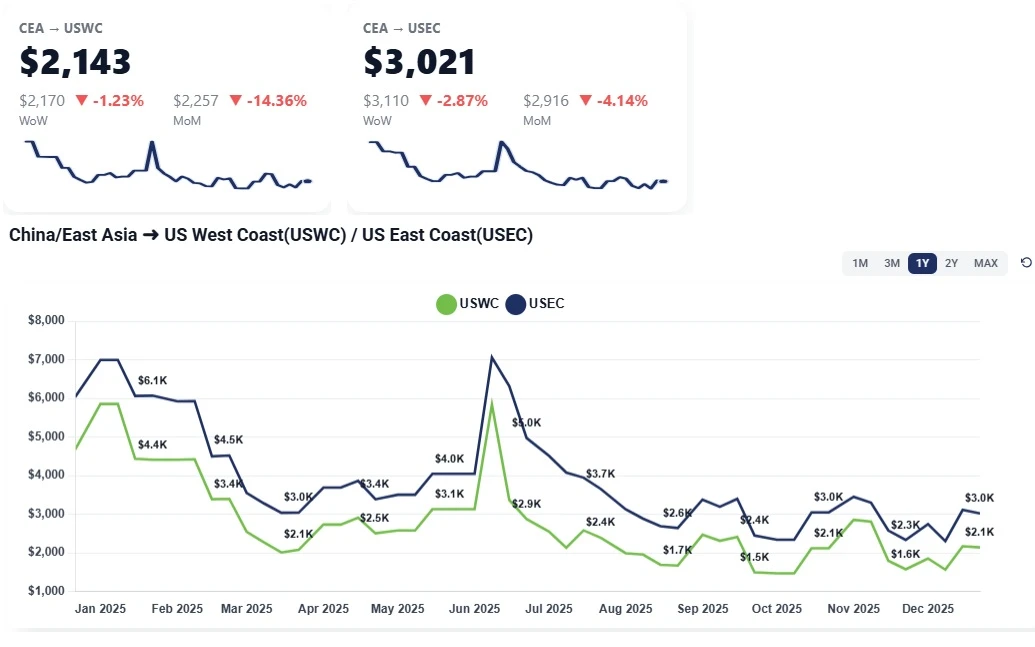
Ocean Freight Rates Hold Firm as Carriers Defend Pricing Into 2026 Contract Season - TFX Update wk. December 29, 2025
Transpacific ocean freight rates from China to the US West and East Coasts remained elevated week over week as carriers held firm through the holiday slowdown, positioning pricing ahead of Chinese New Year and upcoming contract season negotiations.

Importers Receiving Almost $8,000 Per Entry from IEEPA Refunds, Survey Finds
IEEPA - "Trump tariff" - refunds are starting to hit importers' bank accounts. Many are seeing amounts around $8,000 in under two weeks, according to new data from Freight Right's in house customs brokerage.

Freight Right Connector Now Available in Claude, Bringing Freight Operations Directly Into AI Workflows
Freight Right’s publicly available Model Context Protocol connection gives shippers direct access to freight quoting, tracking, document intake and booking workflows through Claude

USWC Up & USEC Down, Supply and Demand Imbalances Persist & More - TFX Update: wk. July 21st, 2025
FEU & TEU rates change slightly week-over-week, importers that can afford to keep importing are continuning to do so while those that are hamstrung by tariffs are sidelined and the August 1st tariff deadline is one week away.