CEA-US Rates Hold Steady at Breakeven Levels - TFX Update wk. February 9, 2026
The Lead:
The first week of February marked a pivotal moment for "Transactional Diplomacy," specifically with the de-escalation of trade hostilities between the United States and India. The US successfully used tariff leverage to pivot India away from Russian energy markets, trading a 7% reduction in reciprocal duties for expanded access to India's vast agricultural sector. Meanwhile, the European Union signaled a hardening stance against Chinese industrial overcapacity by initiating mandatory registration for specific tech-adjacent imports and drafting the "Industrial Accelerator Act." These events suggest that while the US is focusing on using tariffs to achieve geopolitical alignment, the EU is increasingly prioritizing "strategic autonomy" through local-content mandates and defensive market registration.
This Week’s Ocean, Air & Freight Markets
China-US Ocean Freight Market:
The ocean freight market has effectively cooled as China enters its final working week before the Lunar New Year holiday shutdown. Rates have stabilized at the lower levels established in previous weeks, with no significant movement recorded week-to-week as the shipping window for pre-holiday departures has officially closed.
CEA to USWC: Rates remain steady and are currently holding between $1,400 and $1,600 per container. Most bookings are now quoted in the $1,450 to $1,600 range, showing total stability from the prior week.
CEA to USEC: Rates to the East Coast also show no week-over-week change, maintaining a range of $2,400 to $2,500.
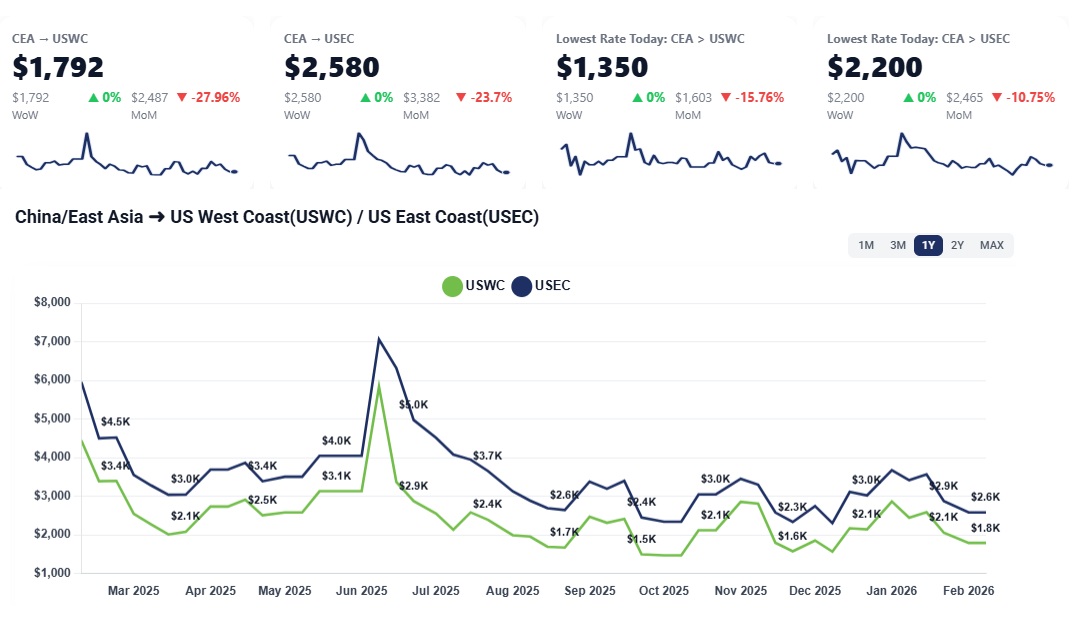
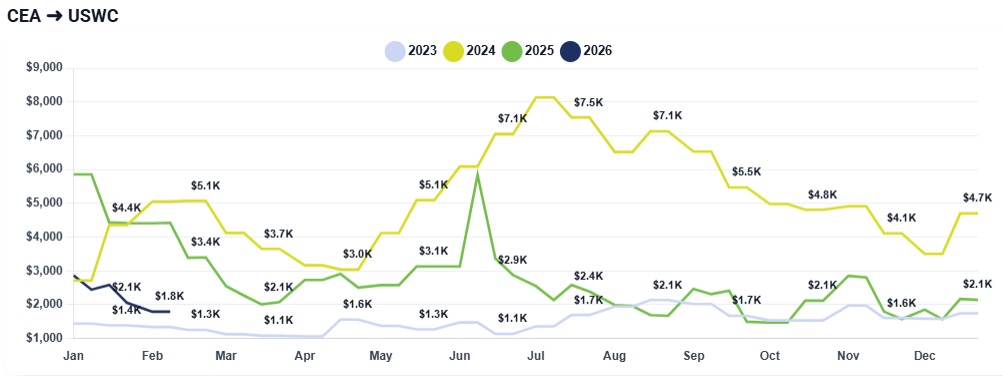
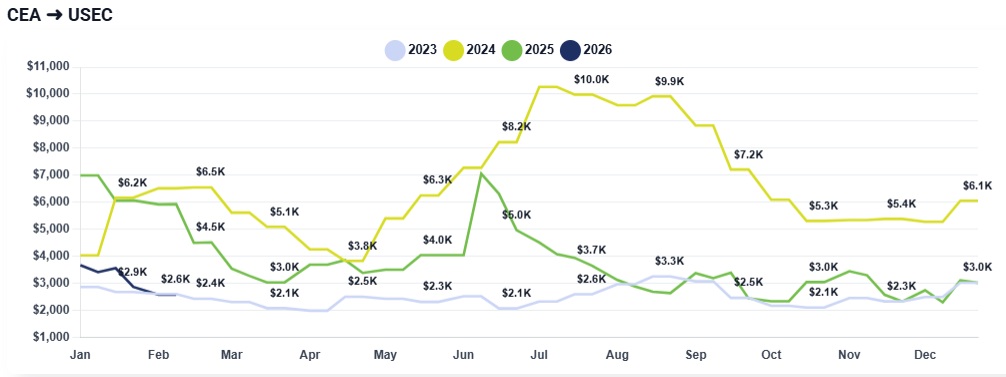
Read more about the state of the ocean freight spot market with Freight Right’s TrueFreight Index.
This Week Explained:
Closure of the Pre-LNY Window: The window for shipping cargo to ensure departure before the Chinese New Year has passed. Any new shipments booked this week will not make it out before the holiday, leading to a natural cooldown in demand.
Origin Congestion & Trucking Spikes: While ocean rates are flat, there is significant congestion at Chinese origins. Trucking rates within China have spiked "super high" as drivers prepare for the holiday and capacity tightens for the final pre-shutdown moves.
Exhausted Booking Activity: After a period of "catching up" last week, market activity has died down. Shippers have completed their primary holiday planning, leaving very little cargo left to move in the immediate term.
Air Freight Price Adjustments: Air freight rates have shifted slightly lower as airlines look to fill any remaining space on outgoing flights. Rates are currently landing in the high $3.00 to mid-$4.00 range per kilo, with some outliers still hitting $5.00.
Looking Ahead:
The market is entering a period of total dormancy. Market participants in China and Southeast Asia are shifting focus toward the holiday, with almost no interest in new business or shipping schedules for the upcoming week.
Next week is described as the "main event," during which manufacturing and logistics activity in China will effectively drop to zero. Shippers should expect an even quieter update next week, with rates likely to remain frozen at current levels until factories reopen and a post-holiday volume assessment begins.
In the News:
Financial Times: There are good reasons to be cheerful about global trade
https://www.ft.com/content/55d88e6c-ae5a-4ac8-a2b6-becb3501ce9e
BBC: US to exempt some Bangladeshi clothes from tariffs
https://www.bbc.com/news/articles/c626r78g122o
Global Trade Magazine: India and US Finalize Framework for Interim Trade Agreement in 2026
https://www.globaltrademag.com/india-and-us-finalize-framework-for-interim-trade-agreement-in-2026/
Bloomberg: Trump Follows in Rebuild of Global Trading Order He’s Dismantling
https://www.bloomberg.com/news/newsletters/2026-02-09/trump-and-the-global-trading-system
CNBC: Trump’s trade war creating economic ‘mirage’ with GDP forecasts, freight market disconnected: Shipping expert
https://www.cnbc.com/2026/02/05/trump-trade-war-frontloading-creating-a-mirage-in-trade-maritime-expert.html
More News

Shippers Face a Total Standstill in Transpacific Trade - TFX Update wk. February 23, 2026
Ocean rates remain frozen at $1,400-$1,600 to the USWC as the Lunar New Year shutdown halts all Chinese logistics. Discover why the market is at a standstill and what to watch for in March.

Severe weather and its impact on trucking
What kinds of weather have the biggest impact on trucking? How should shippers plan?

Transpacific Carriers Face Losses as Feb Bookings Close - TFX Update wk. February 2, 2026
Ocean freight rates from China to USWC have hit a breakeven low of $1,450 per container. As the Chinese New Year halts Asian manufacturing, explore why rates are falling, the impact of late-week bookings, and the outlook for March contract negotiation.

China Holiday Rush Tightens Ocean Freight Space to the US - TFX Update wk. September 21, 2026
China to US ocean freight rates remain steady, but vessel rolls, booking cancellations, and tight pre-holiday space are creating major shipping risks ahead of China’s October shutdown.

Silence Before the Storm: Transpacific Market Braces for Chinese New Year Shutdown - TFX Update wk. January 26, 2026
Ocean freight rates from China to the US hit new lows as Chinese New Year approaches. With USWC rates falling to $1,600 and carriers selling space at cost, discover what's driving the market downturn and the outlook for February 2026
Freight Market Correction Deepens on CEA-US Routes After November GRI - TFX Update wk. November 3, 2025
China–US ocean freight rates fall as carriers discount to fill space. CEA-USWC down $400-$500; CEA-USEC near $2,800. See what’s driving the drop and what’s next.
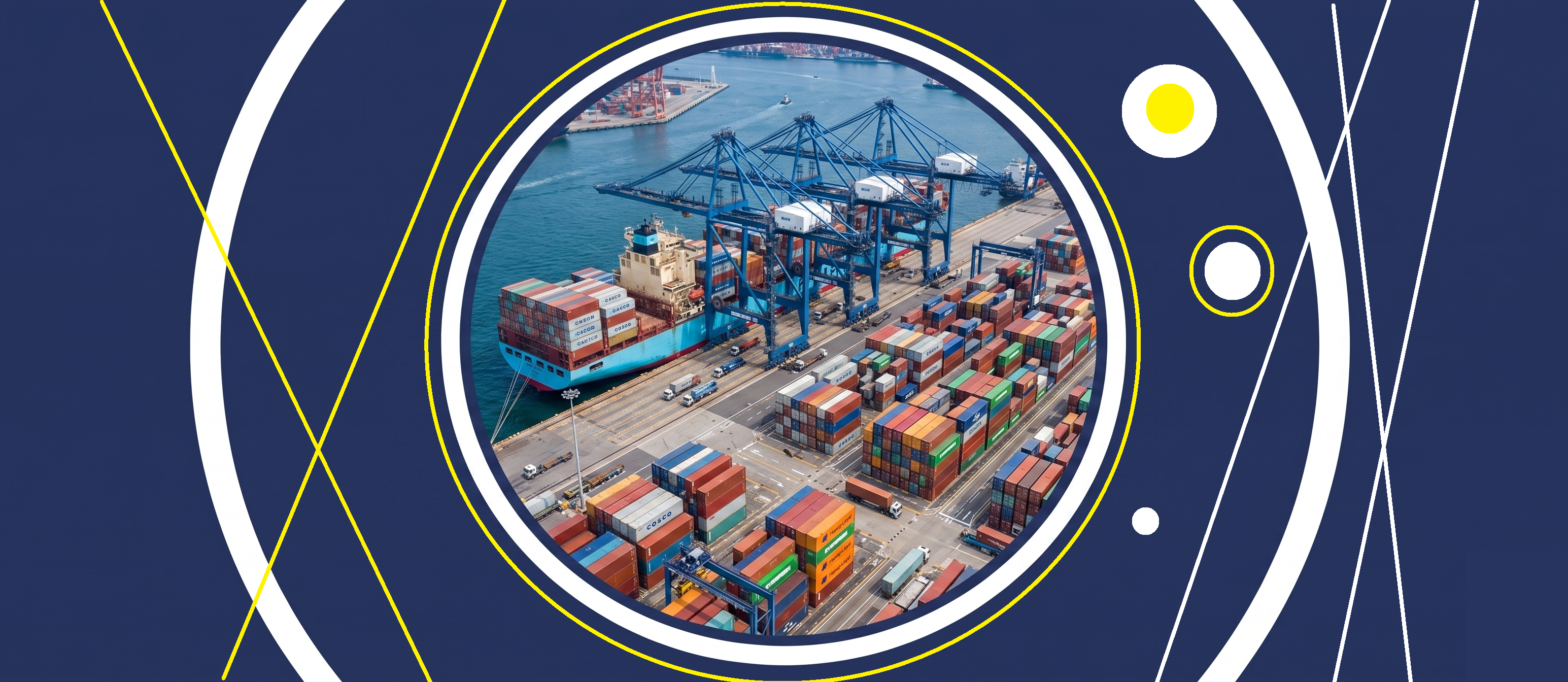
Space Tightens on China-US Routes Despite Weak Underlying Volume - TFX Update wk. April 13, 2026
Explore how aggressive blank sailings and new blended rate strategies are stabilizing CEA to USWC/USEC shipping costs despite weak demand. Stay informed on current ocean freight market updates and rate changes.
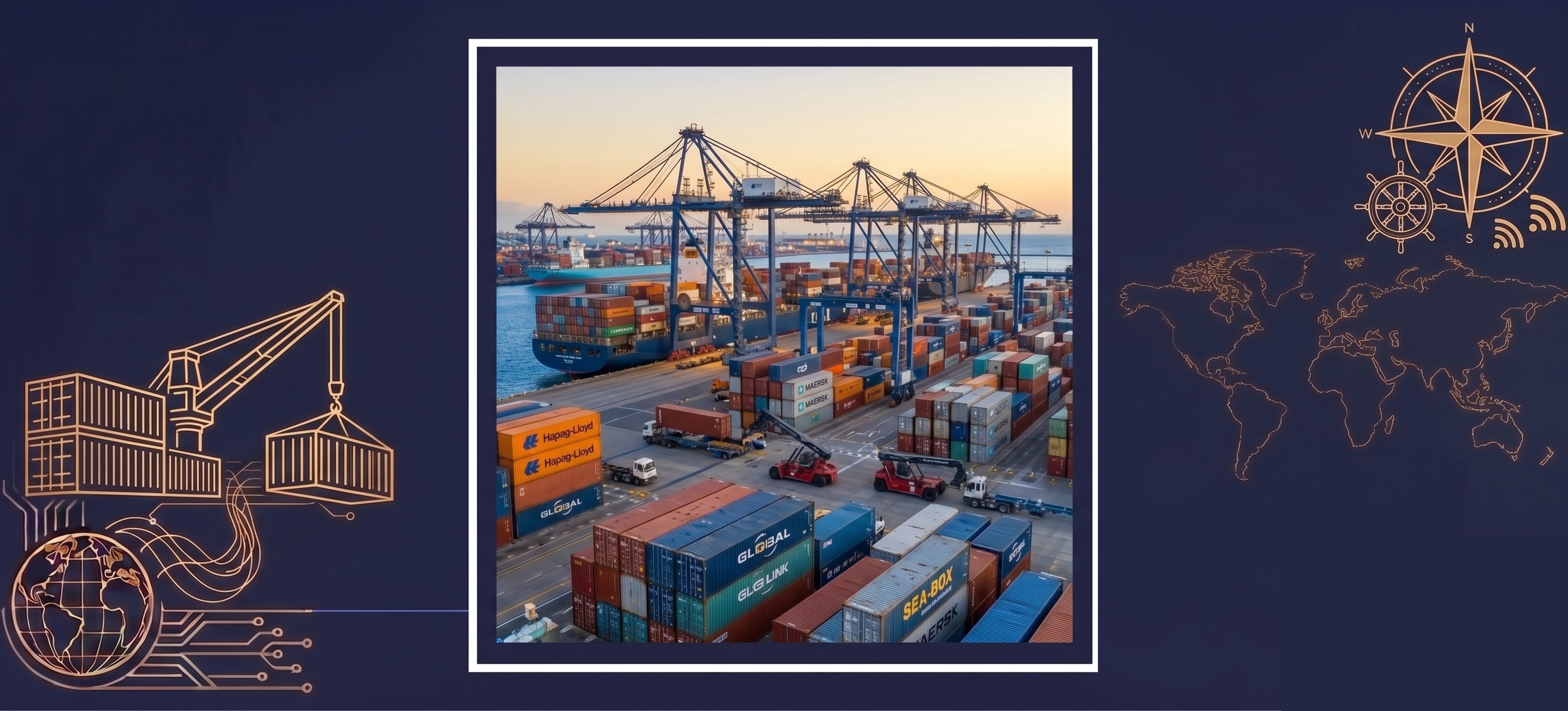
Ocean Rates Rise Again as China Holiday Squeezes Capacity - TFX Update wk. September 14, 2026
China to US ocean freight rates rise $500–$600 as blank sailings, tight capacity and unstable vessel schedules intensify ahead of China’s October holiday.
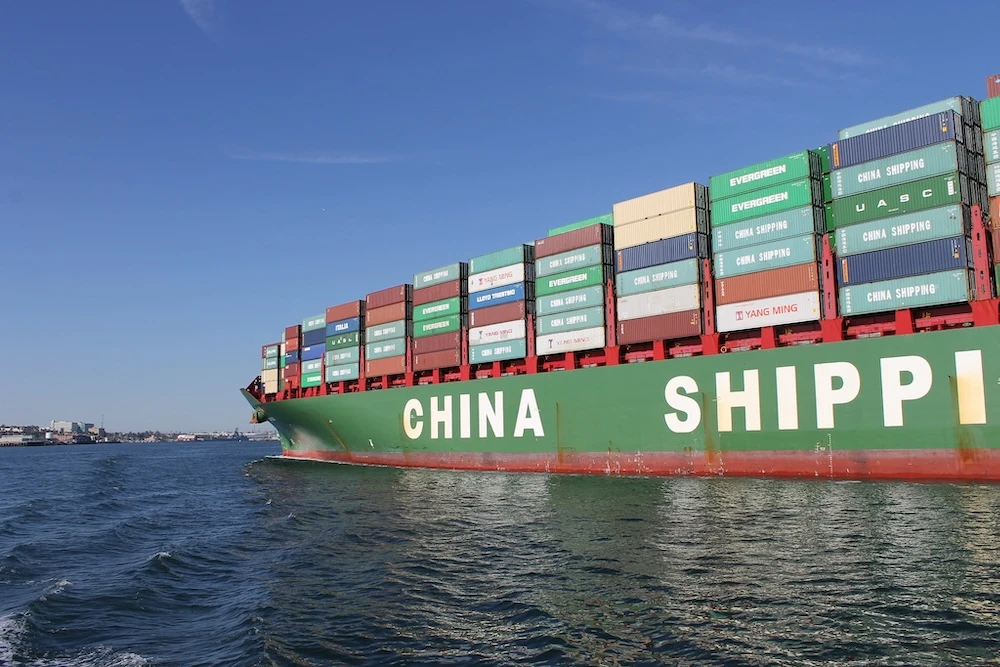
China-US Ocean Freight Shipping Guide: From Click to Doorstep
Explore the journey from ‘Buy Now’ to your home in our China-US Ocean Freight Shipping Guide. Discover the trade, environmental impact, and future of shipping.
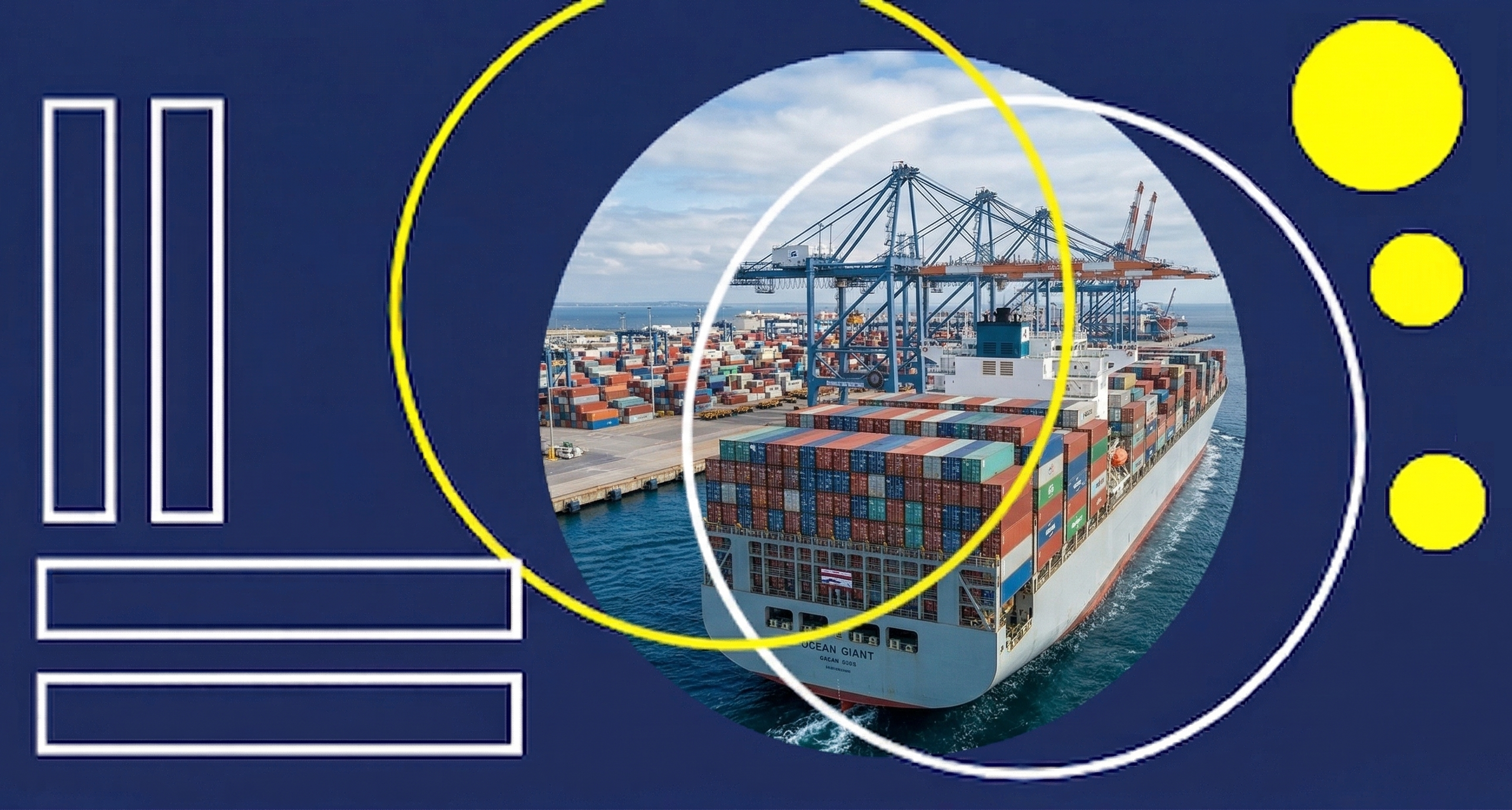
Ocean Rates Up as Volumes Continue to Sink - TFX Update wk. March 23, 2026
Understand why ocean freight rates are climbing despite record low volumes. Our March 2026 update covers the $600 rate hikes, new emergency fuel surcharges, and how blank sailings are impacting China-to-US shipping costs.